



The Baby in Yellow
 Fullscreen









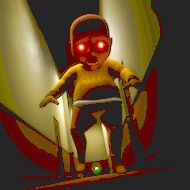





























The Baby in Yellow places the player inside a contained apartment where a regular babysitting session slowly turns into a sequence of tense tasks. The opening minutes look simple: pick up the child, handle feeding, and prepare the rooms. However, each action reveals new behavior, creating a loop that becomes more unpredictable as the night moves forward. The structure encourages careful observation, measured movement, and steady reactions. Every small shift in the surroundings signals that the situation is changing, which keeps players focused while still letting them choose their pace.
Night Routine That Slowly Grows More Complex
The Baby in Yellow begins with a familiar routine, yet the order of tasks and the child’s reactions make each moment uncertain. The player feeds the infant, changes positions, and carries it to different rooms. After completing these steps, the environment adapts. Doors behave differently, toys may appear in new places, and lights flicker. The process repeats across several nights, and each new session adds small adjustments. This gives the structure a branching feeling even though the core loop remains simple and easy to follow.
- Feeding sequences may trigger changes in room layout or the child’s behavior.
- Carrying actions require attention to narrow spaces and turning points.
- Setting the crib introduces new hints about upcoming events.
Environmental Interaction and Player Influence
The rooms are arranged so that every corridor, chair, couch, or shelf matters. The Baby in Yellow lets the player interact with many objects, and certain items behave differently depending on timing. These variations encourage experimentation. Even repeating the same task can produce a slightly different path because the child might relocate, forcing the player to scan rooms again. Nothing feels rigid, and the natural flow helps players learn without needing strict instructions.
- Objects may move when the child becomes active.
- Lighting helps show safe paths or marks where new interactions appear.
- Cues from sound reveal where the next task will take place.
Unpredictable Moments and Escalating Encounters
As each night progresses, the child becomes more active and the encounters escalate. The Baby in Yellow introduces sudden changes such as locked rooms, rearranged furniture, or chase sequences where the player must react quickly. These moments do not rely on fast reflexes but on recognizing patterns. Once players understand how triggers work, they can stay calm even during the most intense scenes. This clear structure helps newcomers navigate without confusion.
- Door changes affect how to approach each area.
- Object shifts may reveal hidden tasks or point the player in the right direction.
- Motion cues help predict where the child will appear next.
Helpful Strategies for New Players
New players often look for simple strategies to manage escalating moments. The Baby in Yellow rewards observation more than speed, so rushing rarely helps. Keeping track of sound cues and visual hints is often enough to manage each sequence. Most tasks rely on logical steps that remain consistent across nights, allowing players to predict what comes next even when the environment shifts.
- Scan each room after completing a task to find unexpected changes.
- Listen to sound direction to locate the child quickly.
- Pause briefly before entering a new area to observe changes in lighting or object placement.
- Try different item orders when progression seems blocked.
Levels, Variations, and Extended Modes
The structure includes multiple nights that differ in approach. Early nights focus on exploration, while later nights introduce more demanding sequences. The Baby in Yellow often modifies the apartment layout, shifting the order of tasks or introducing new paths. Additional modes add variations such as altered difficulty, different room arrangements, or expanded routes. These alternatives keep the experience fresh while maintaining the same core structure.
Frequently Asked Questions
Many players ask how long each section lasts and whether there is a strict timer. The Baby in Yellow uses task-based progression, so players advance only after completing required actions. Others ask if the child’s behavior can be controlled. While most events follow predetermined triggers, choosing a different route may change the pace. Some players wonder if hidden shortcuts exist. While there are no direct shortcuts, recognizing repeated cues allows faster navigation. Another common question is whether optional interactions matter. These extra moments do not alter the final path but help understand patterns and add atmosphere.
Hidden Interactions and Optional Events
The apartment contains objects that activate optional scenes. These triggers do not affect the main sequence but offer clues about the world. The Baby in Yellow uses subtle hints such as flickering lights, rearranged toys, or faint noises to signal these interactions. Trying different combinations of objects may reveal small surprises that deepen the experience. These hidden elements encourage replaying nights, especially for players who want to explore every detail.
The overall structure of The Baby in Yellow is built around observation, timing, and steady progression. Each task slowly pushes the player into new situations, making the apartment feel active and unpredictable. The presence of the child drives the tension and shapes how the player navigates every corridor, feeding sequence, or chase moment. As players repeat nights or try alternate modes, they learn to read signs and react smoothly to changes, creating a balanced mix of exploration and controlled challenge.